LunarWeave
Argentina Is Selling Passports. The Budget Is Already In Surplus.
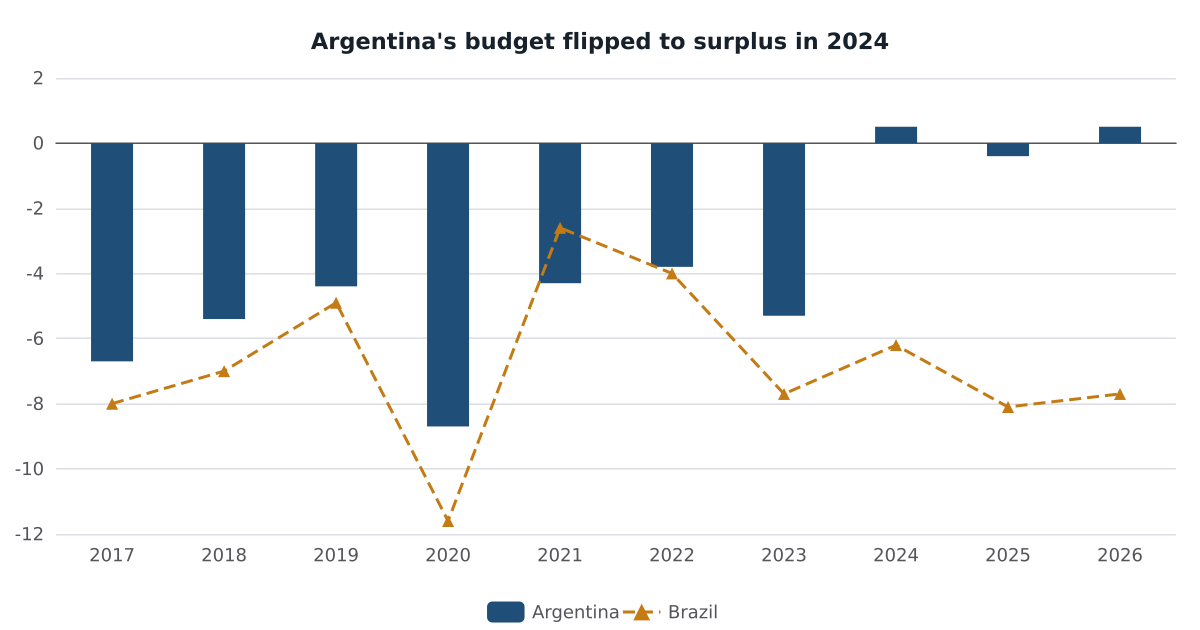
Argentina’s citizenship-for-dollars programme arrives after the IMF already records a 2024 budget surplus. Inflation is still about 30% and output per person remains below 2011.
Standalone, data-led research into the questions behind the news.
Argentina’s citizenship-for-dollars programme arrives after the IMF already records a 2024 budget surplus. Inflation is still about 30% and output per person remains below 2011.
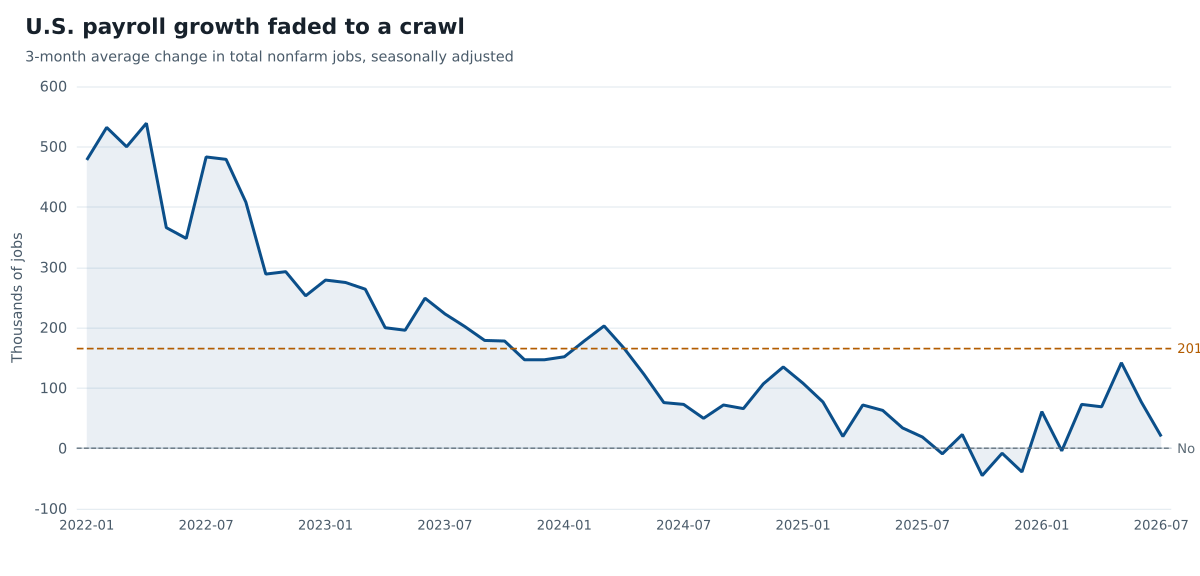
BLS payroll data through July 2026 show U.S. job growth had already slowed to about 20,000 a month on a three-month average, while real hourly earnings stopped rising.
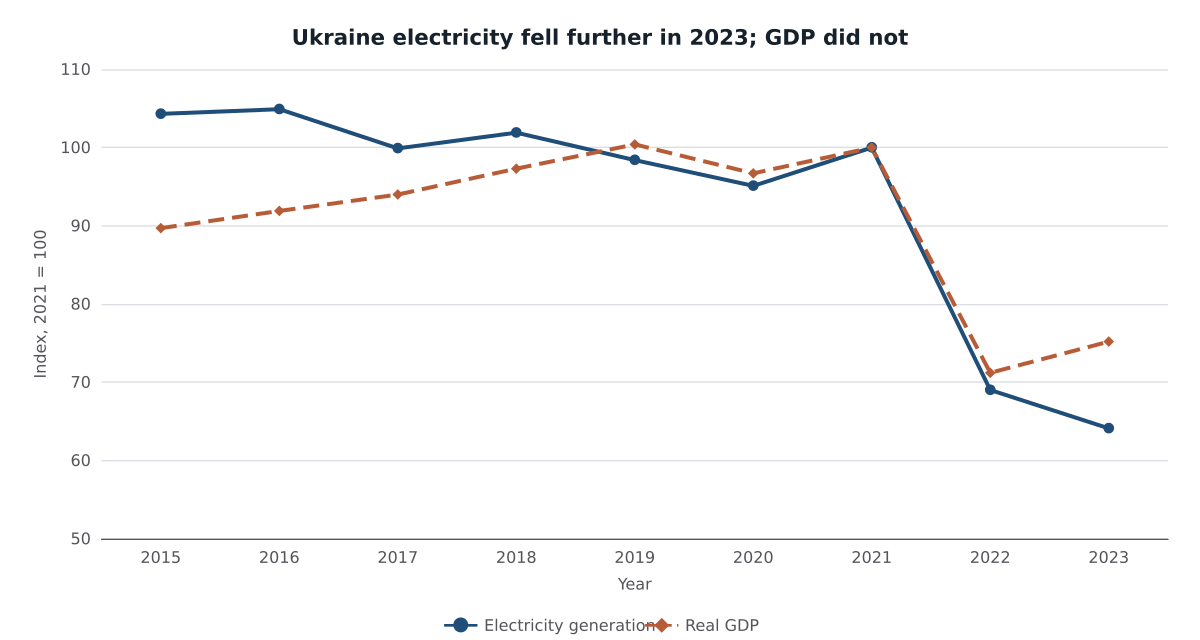
Ukraine generated 36 percent less electricity in 2023 than in 2021. Real GDP began to recover that year; the grid did not.
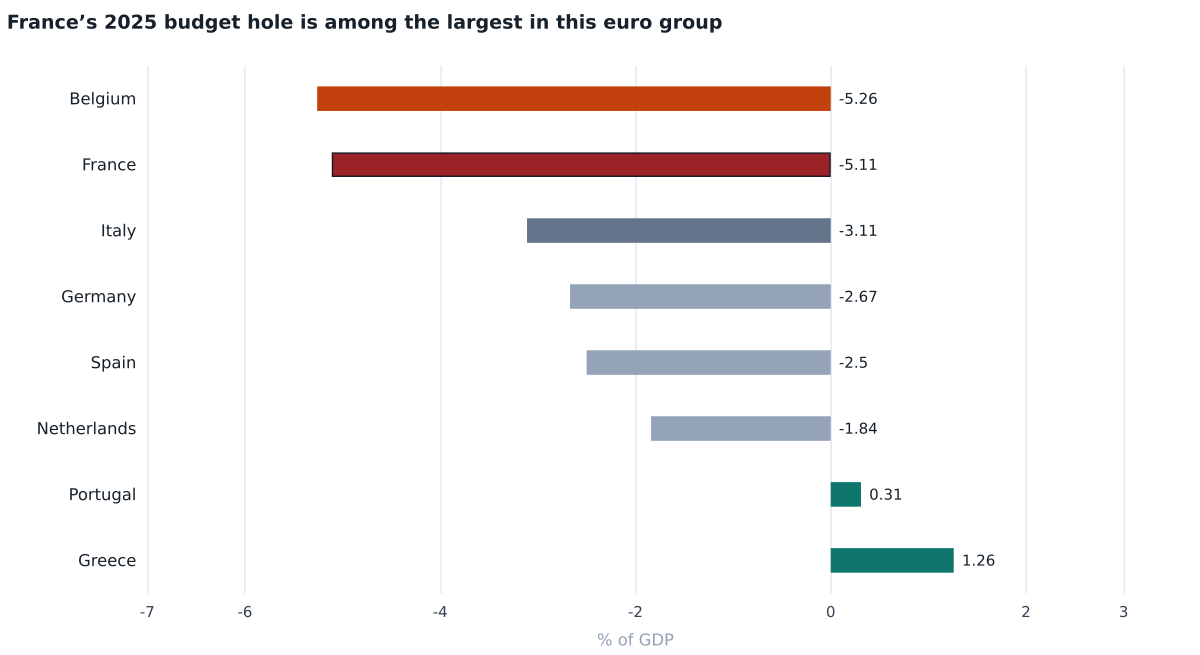
IMF figures show France’s public debt still below Italy’s and Greece’s. The open 5% of GDP deficit is why the ratio is still rising.
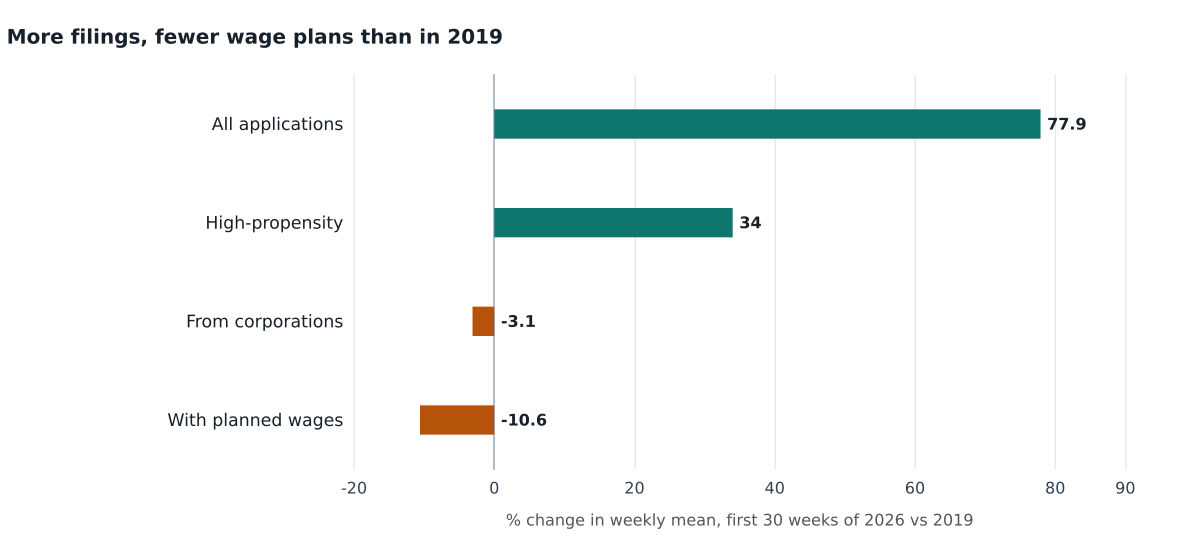
Census weekly EIN filings ran 78 percent above 2019 in early 2026, but applications that indicated planned wages were 11 percent lower.
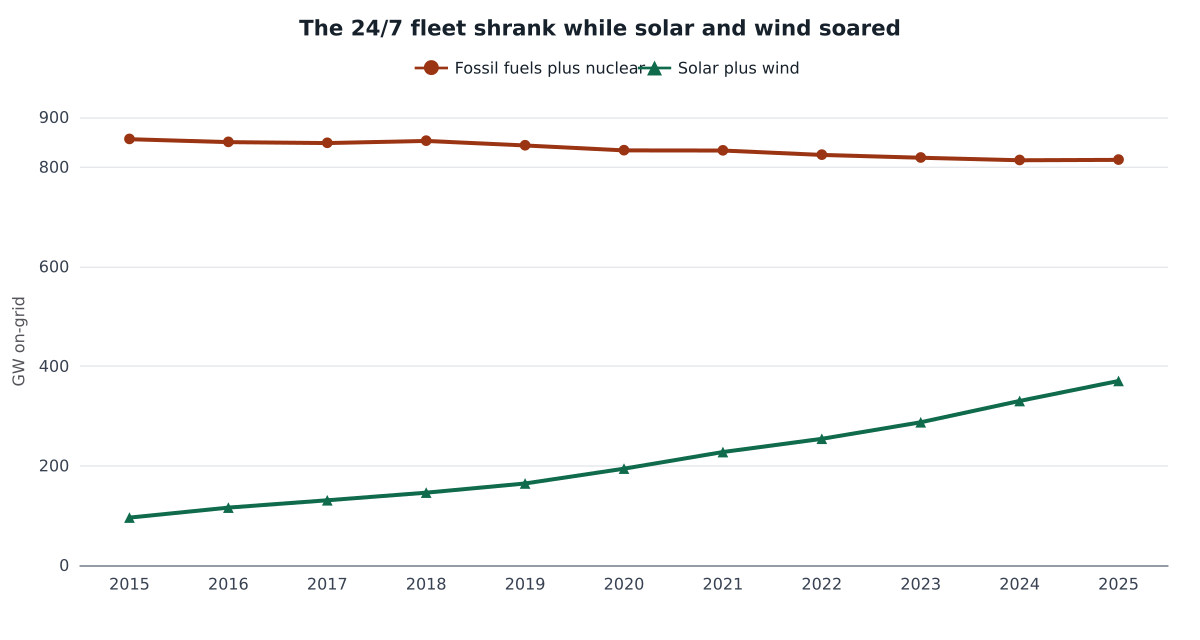
U.S. on-grid capacity rose 23 percent from 2015 to 2025, almost all solar and wind, while fossil-plus-nuclear plants shrank.
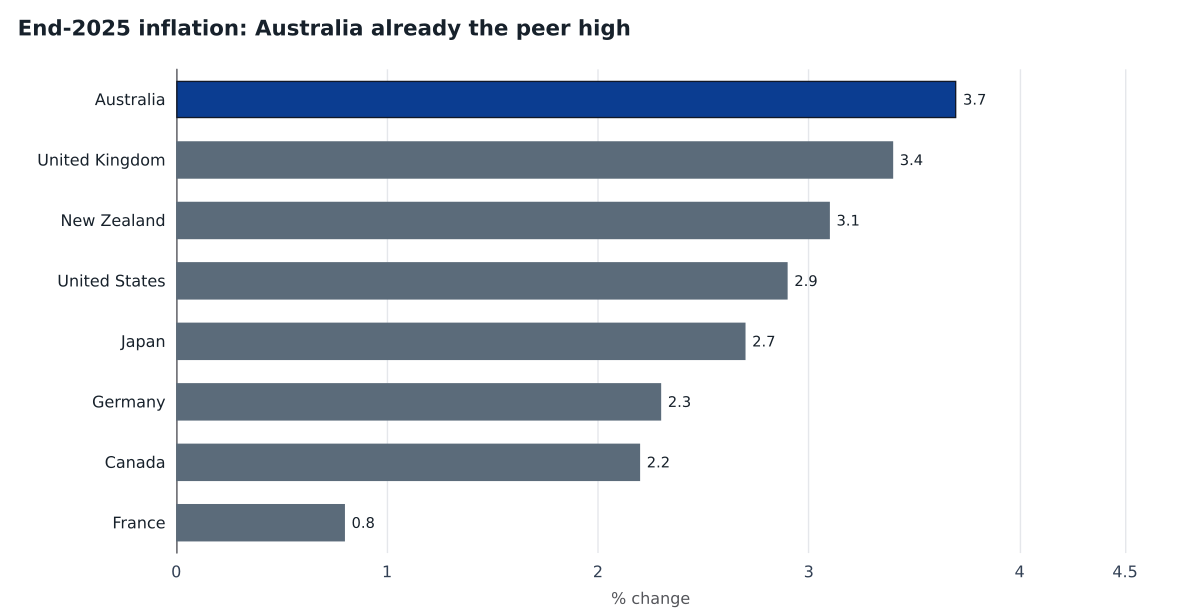
IMF accounts show Australia’s inflation boom had already cooled, then end-2025 prices turned back up — the highest among large rich peers — as the cash rate was reported heading to a 15-year
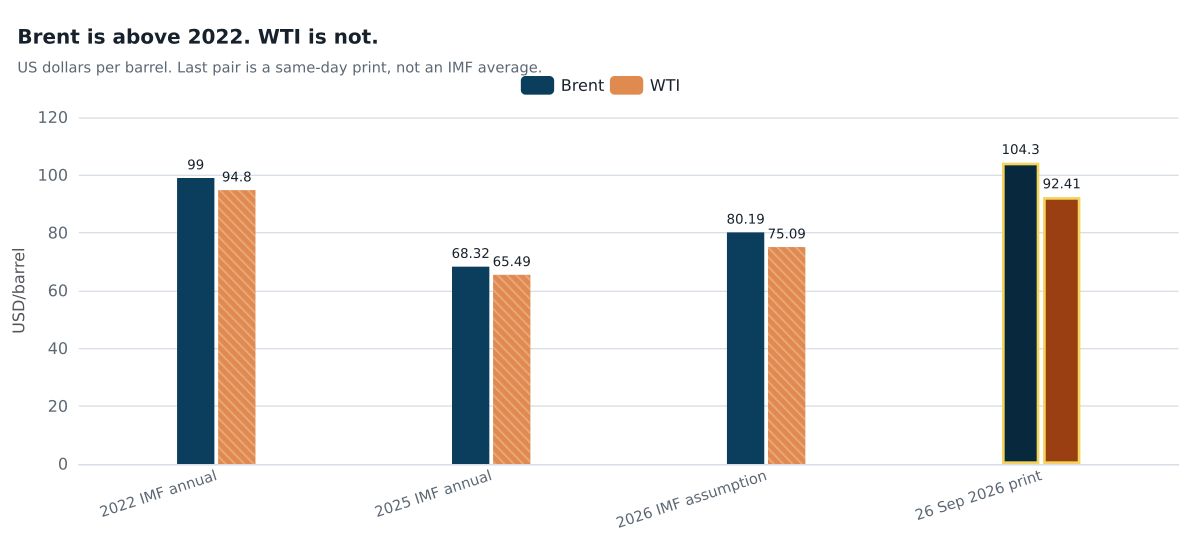
After a 2% slide on Hormuz truce talk, Brent at $104.30 is above its 2022 IMF annual average; WTI at $92.41 is not.
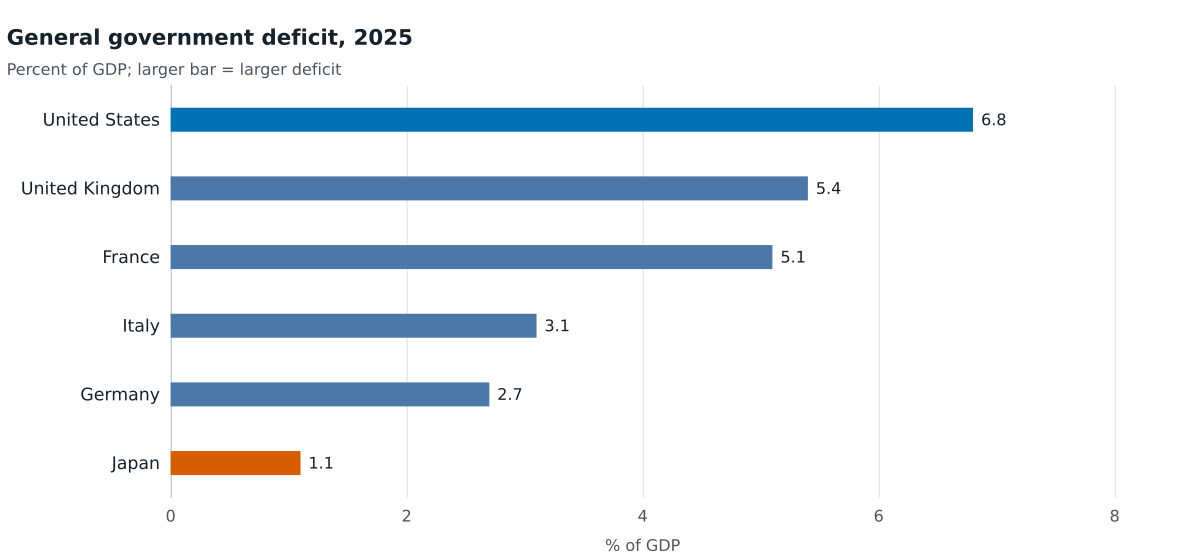
IMF 2025 books show a 6.8 percent of GDP US general-government deficit against 1.1 percent in Japan and 2.7 percent in Germany — not one ballooning-deficit bloc behind a global bond sell-off
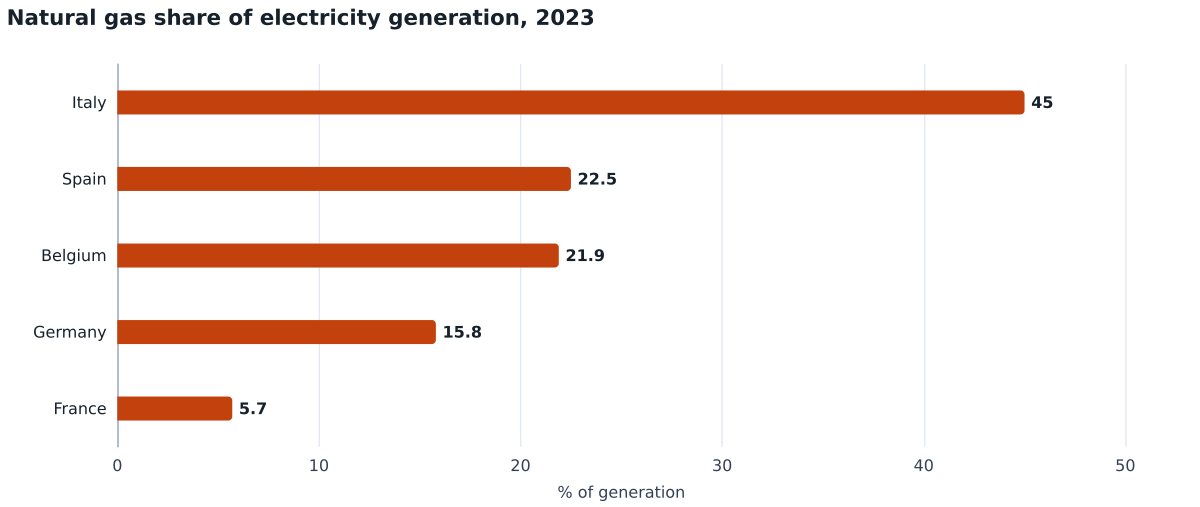
Italy’s Senate vote to return to nuclear power meets a grid that already built renewables but still generated 45% of its electricity from gas in 2023, with no IRENA nuclear series.
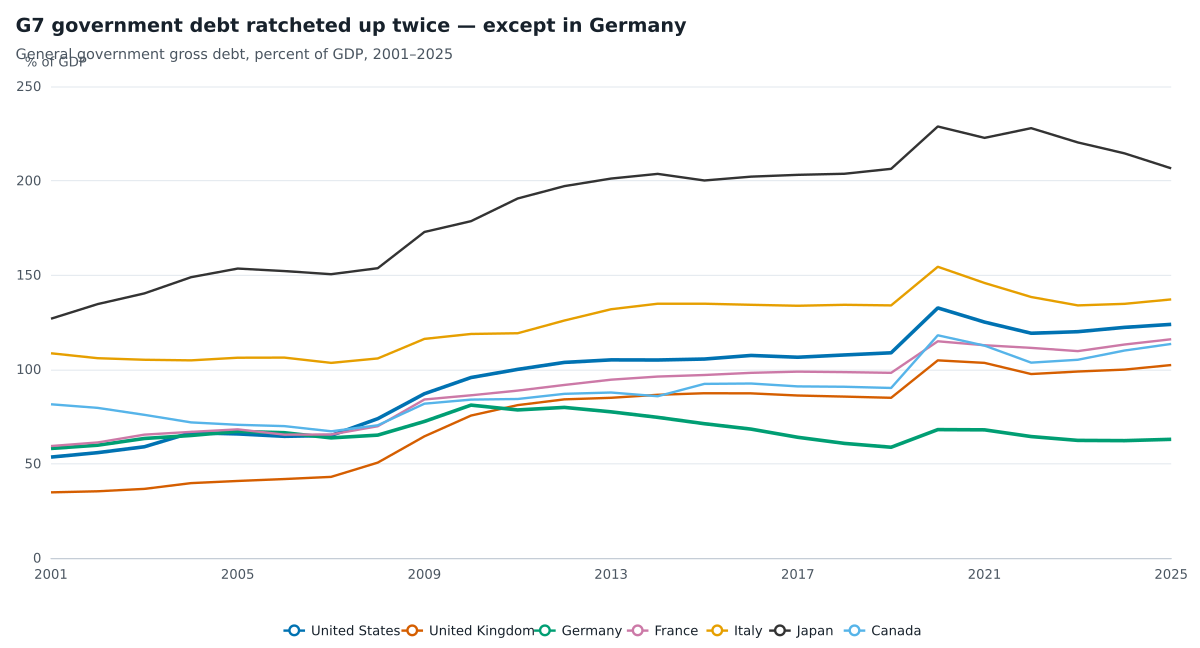
IMF general-government accounts show the post-2008 and post-2020 debt staircase in the United States, Britain and France — and a German exception that walked back down.
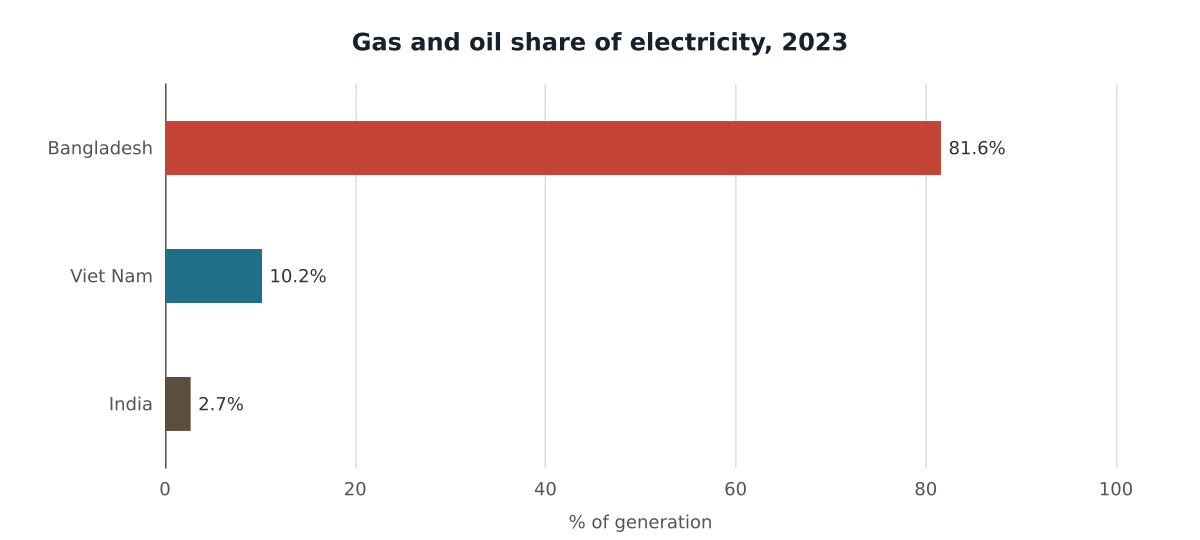
In 2023, gas and oil generated 81.6% of Bangladesh’s electricity, versus 10.2% in Viet Nam, after national generation had already stalled.