LunarWeave
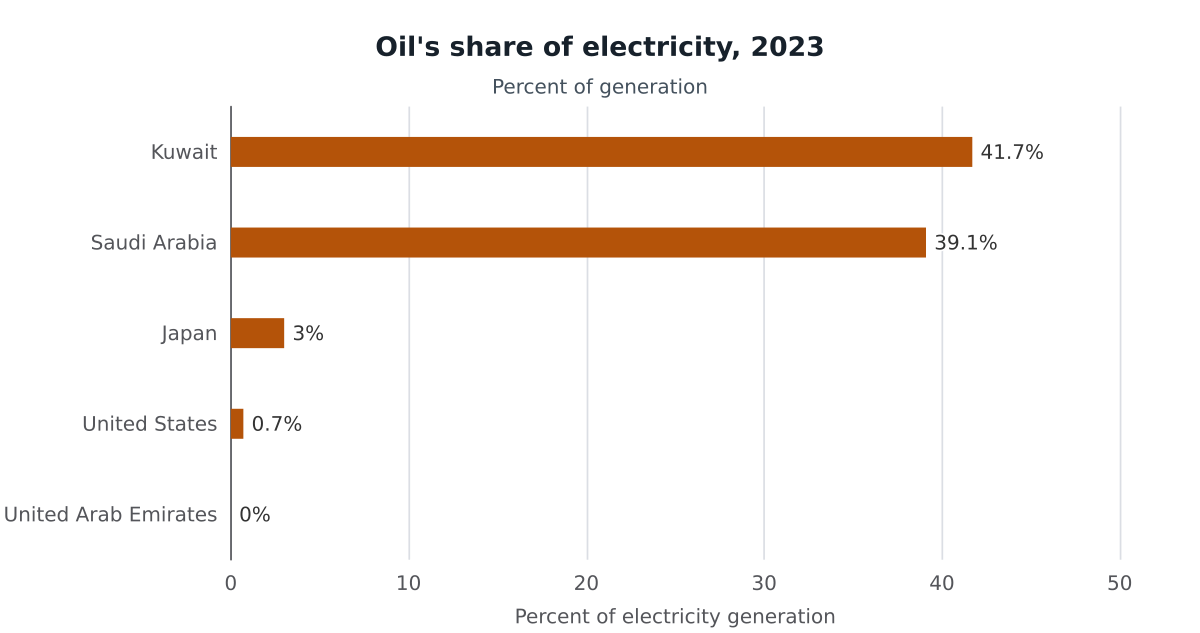
Saudi Arabia Still Generates Two-Fifths Of Its Electricity From Oil
In 2023 Saudi Arabia still generated 39 percent of its electricity from oil. The UAE already runs nuclear plants and has no oil residual on the grid.
Standalone, data-led research into the questions behind the news.
In 2023 Saudi Arabia still generated 39 percent of its electricity from oil. The UAE already runs nuclear plants and has no oil residual on the grid.
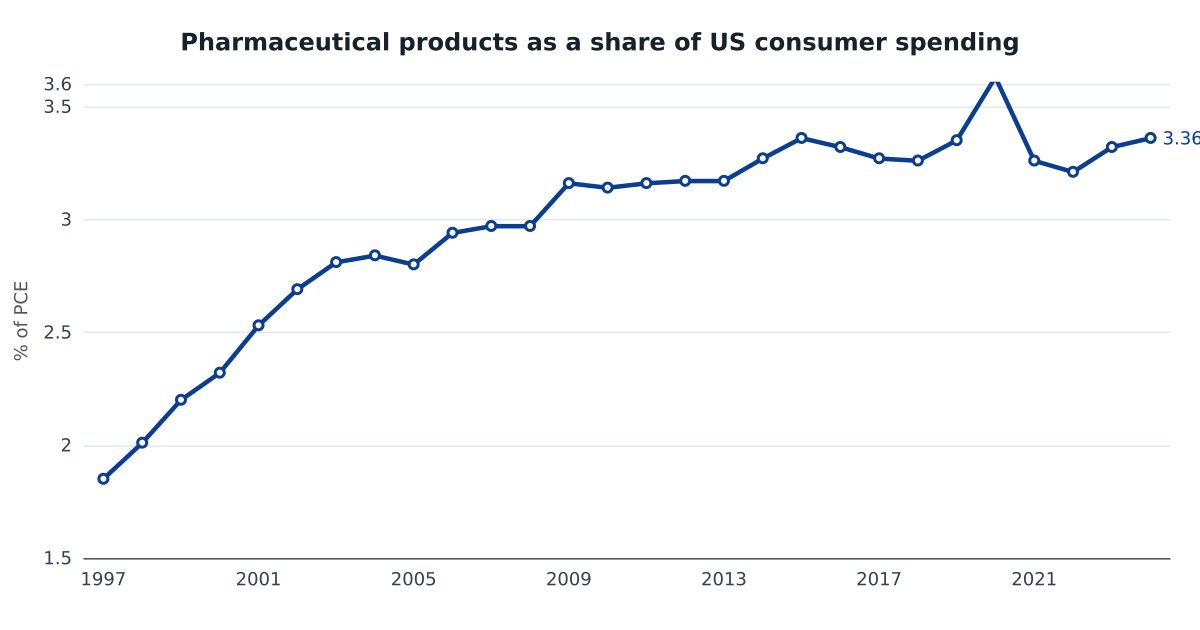
US pharmaceutical-products spending reached $669 billion in 2024, while finished-medicine factory payrolls remain near their early-2000s level.
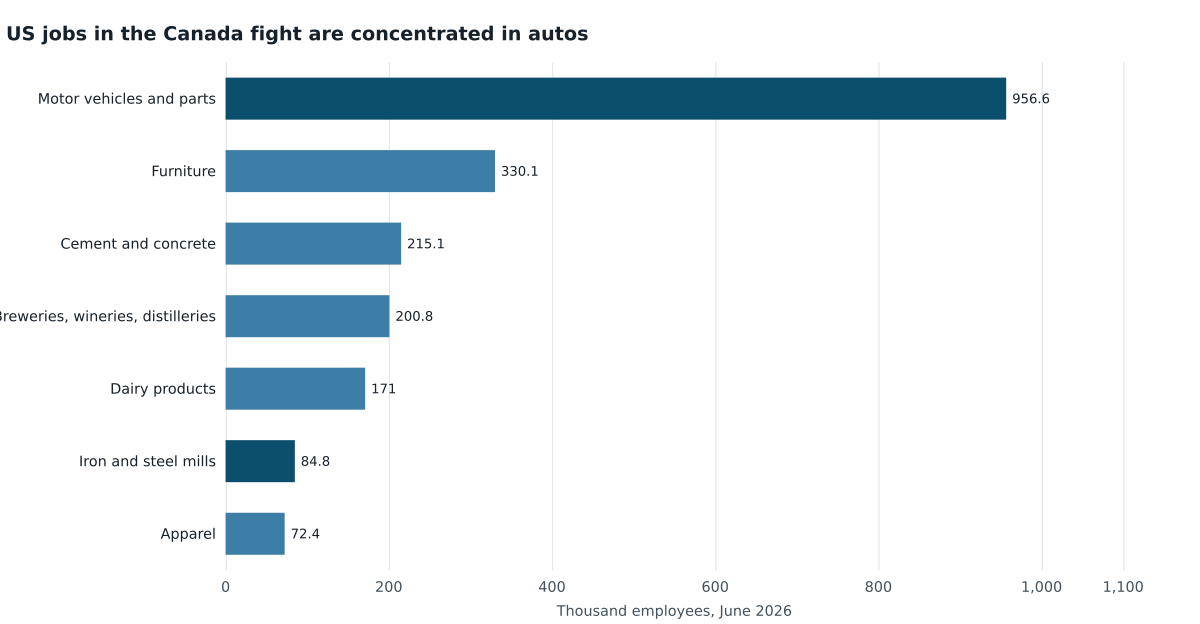
A reported $20 billion US tariff list is 0.86 percent of Canada’s GDP but close to its current-account deficit. US payrolls in the fight sit in autos, not dairy.
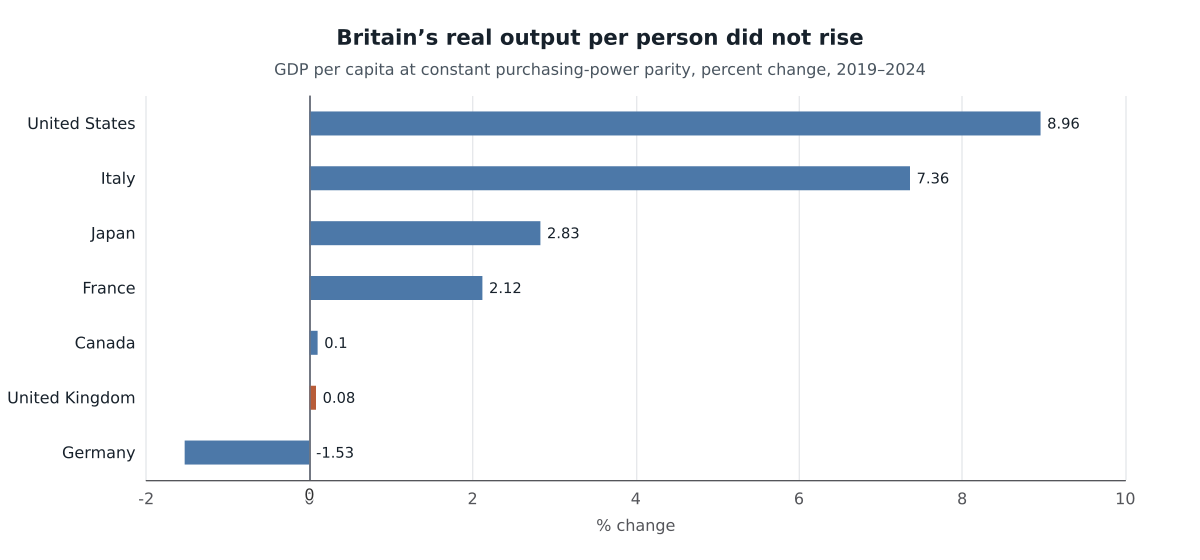
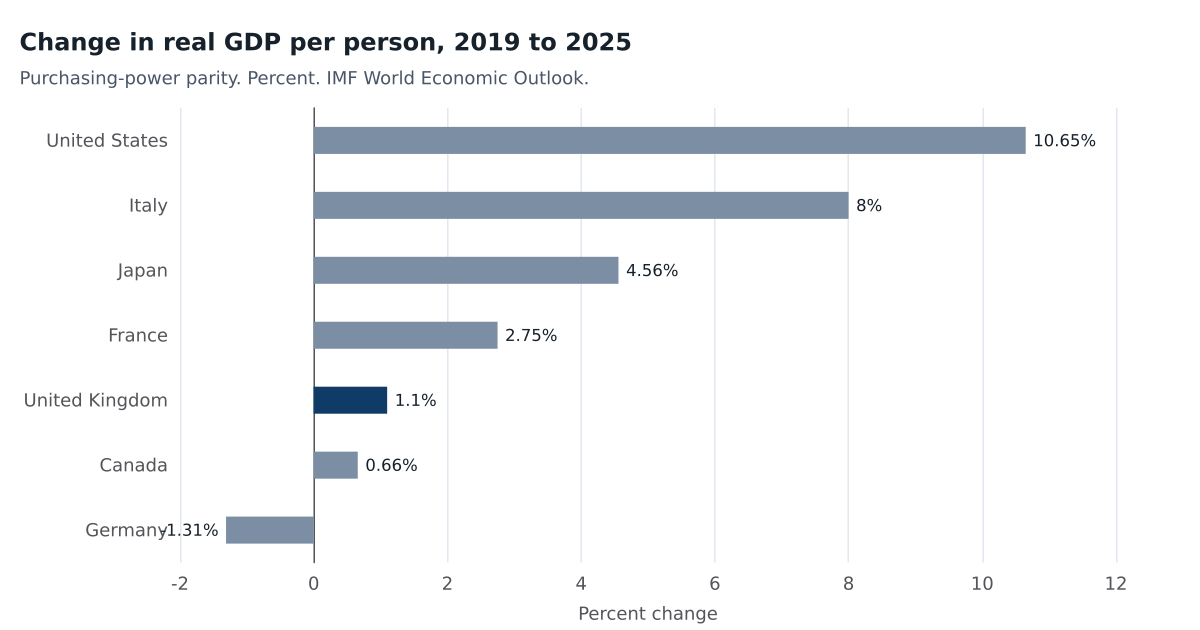
IMF data show UK real GDP per capita was unchanged from 2019 to 2024, unlike the United States, while consumer prices were about a quarter higher.
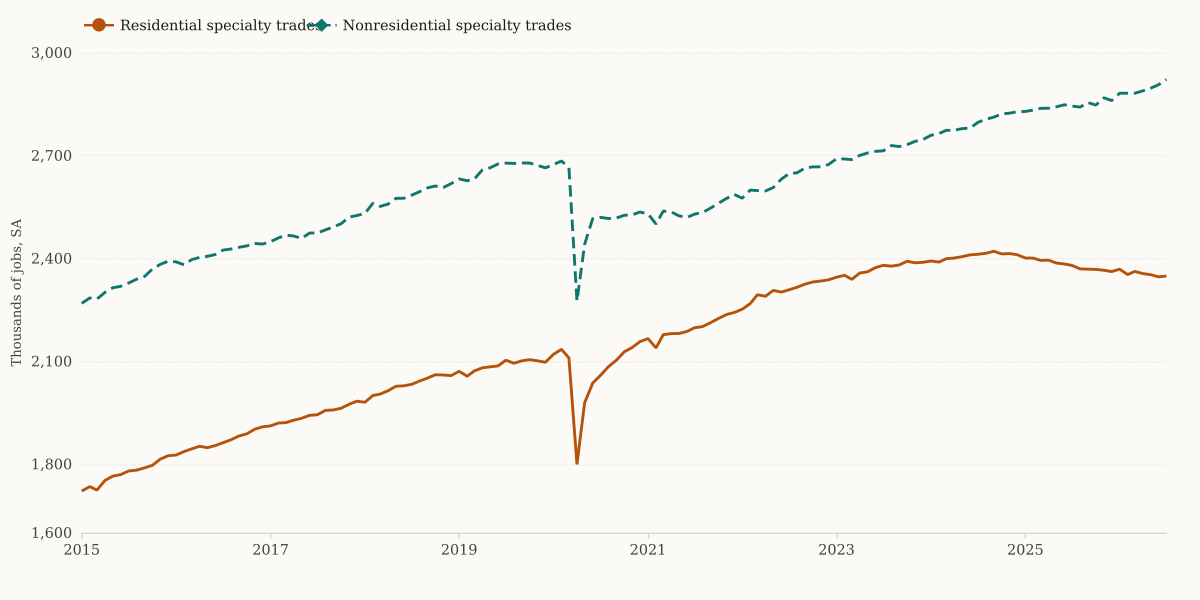
U.S. electrician and HVAC contractor payrolls are at records. $40 an hour is no longer a premium; house work is losing people to better-paid nonresidential jobs.
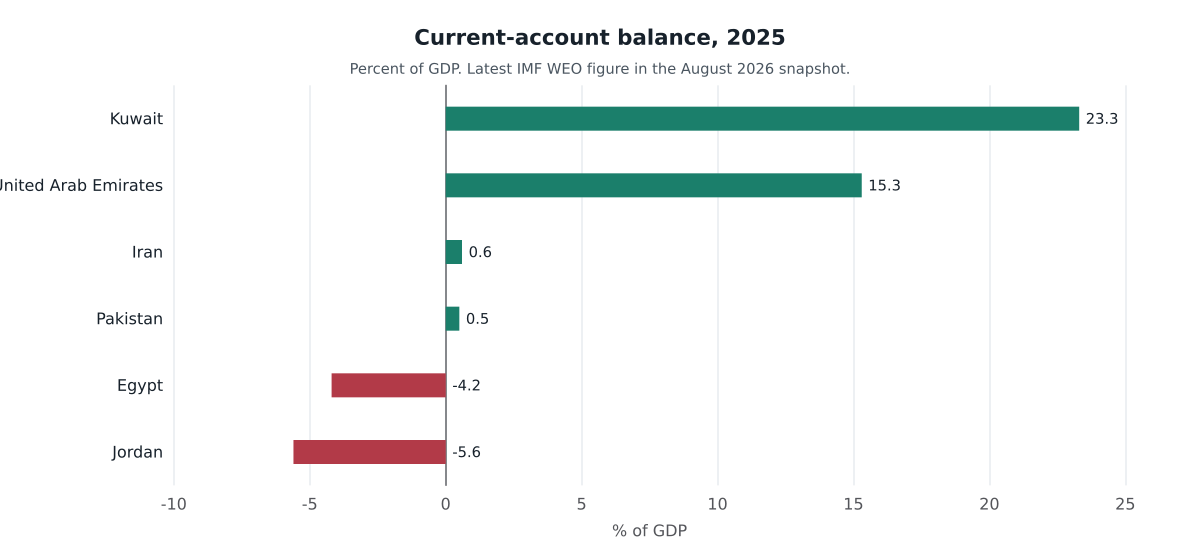
IMF current-account figures show Pakistan had already closed its 2022 external gap when it moved to daily fuel-price resets; Egypt had not.
IMF figures show the UK economy is larger than in 2019, but real GDP per person has barely risen — the constraint Andy Burnham inherits.
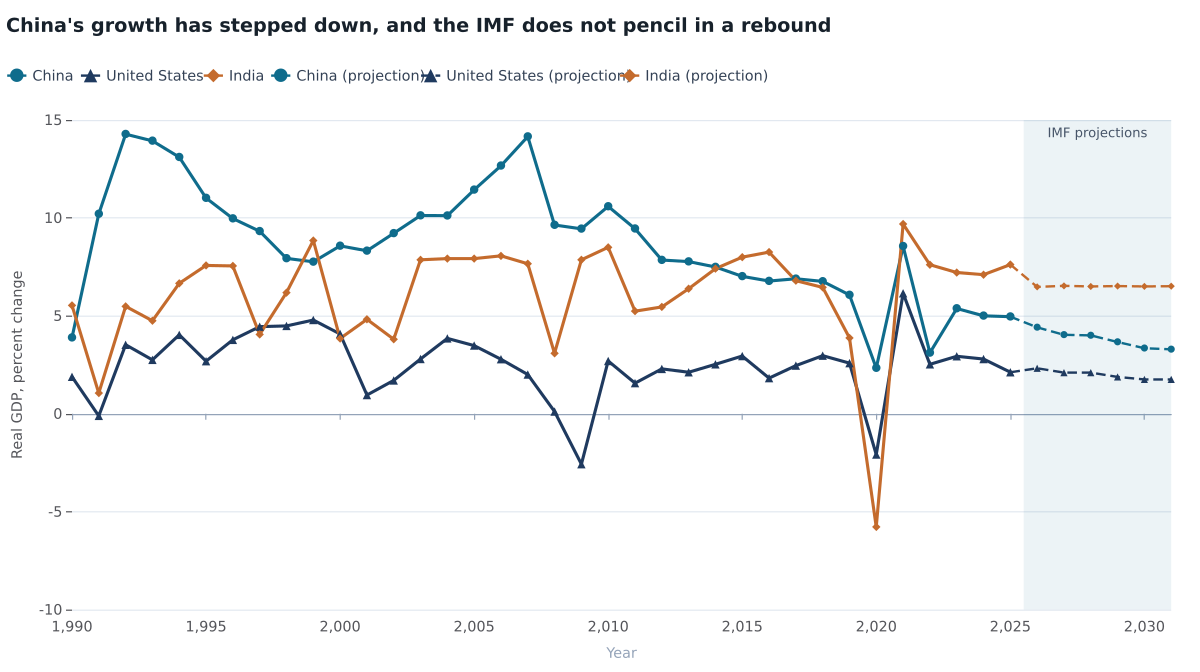
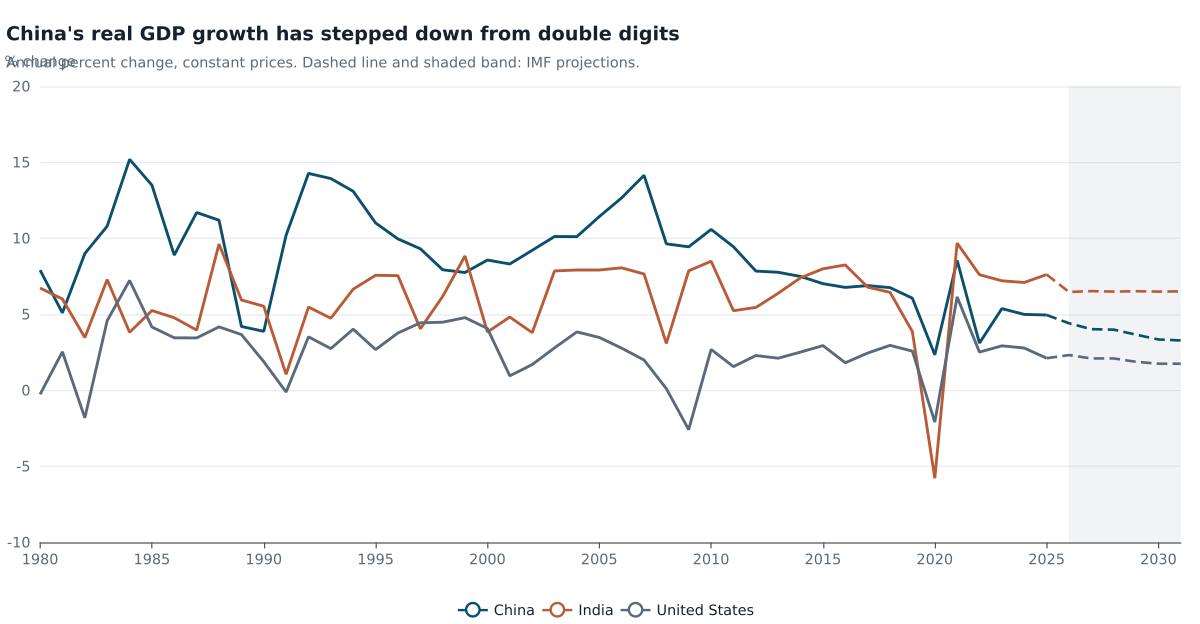
IMF annual accounts already treat China’s 5 percent growth as the baseline, with no rebound through 2031, even though China remains about a fifth of world PPP output.
IMF annual accounts show China’s 4.3% quarter arriving after a decade-long growth downshift, with investment still near 39% of GDP and a widening current-account surplus.
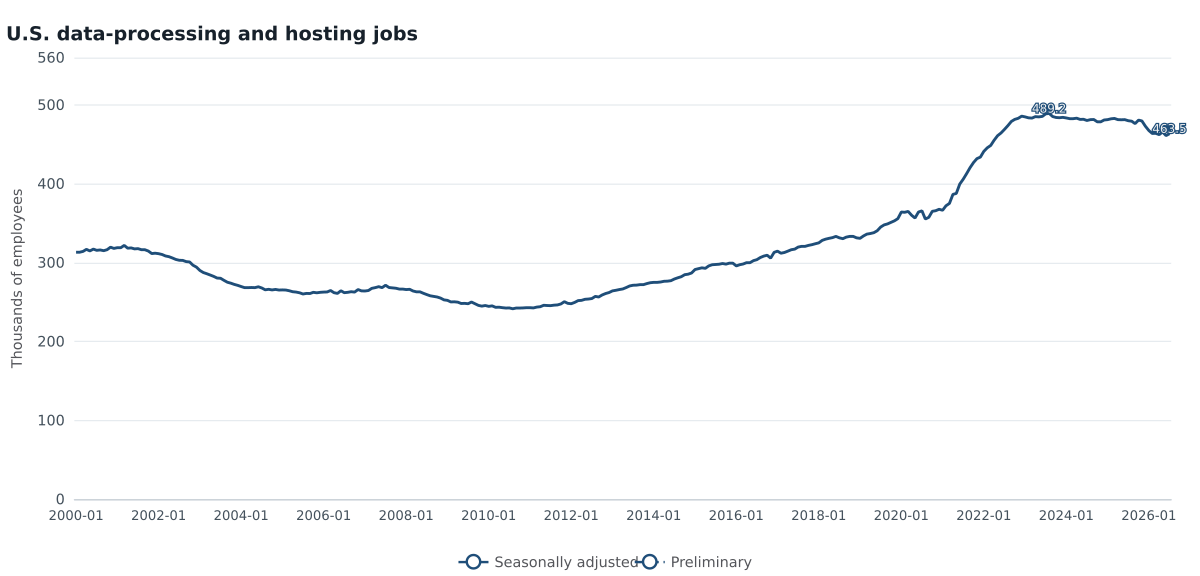
New York paused large data centers over power and community strain. National hosting still employs about 464,000 people, below its 2023 peak.
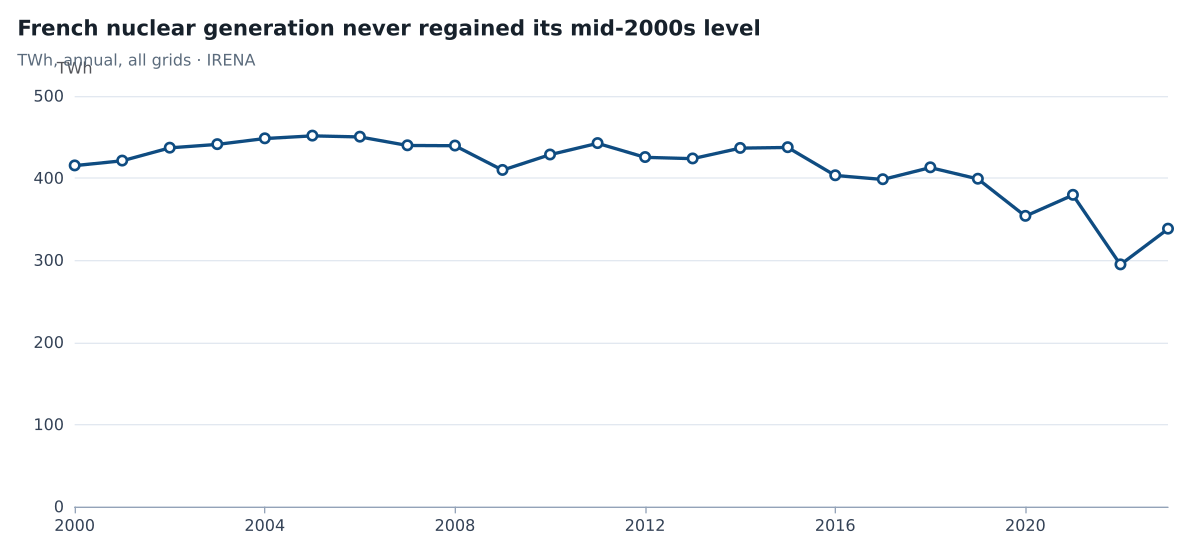
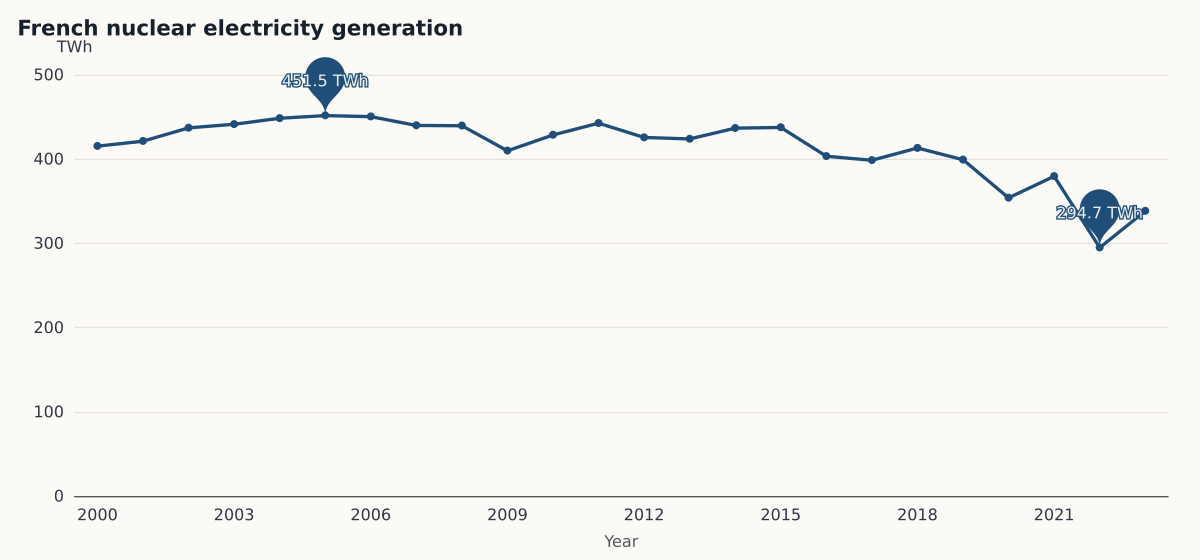
France still generated 64 percent of its electricity from nuclear in 2023, a quarter below the 2005 peak, so river-temperature limits are a first-order grid risk.
IRENA data through 2023 show nuclear still supplying 64% of French electricity, even though output is a quarter below its mid-2000s peak — so heat-driven reactor cuts hit the core of the gri